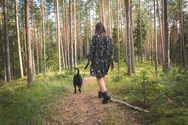
🐾 The Ultimate Dog Walking Guide
Happy walks = happy dogs and owners. Walking your dog is one of the simplest and most powerful ways to support their physical health, mental wellbeing, behaviour and daily happiness. This guide covers when to walk, how long to walk, what to avoid, and how to match exercise to your own dog.
📌 Quick Walking Guide
- Best time to walk: early morning or evening
- Avoid hot pavements and extreme weather
- Most dogs need around 30 to 120 minutes of exercise a day
- Adjust exercise to suit breed, age, health and energy level
🌅 When Is the Best Time to Walk Your Dog?
The best times to walk your dog are usually morning and evening, when temperatures are cooler and conditions are safer.
Morning Walks

- Help dogs burn off pent up energy after sleeping
- Support toilet routines, especially for puppies
- Create a predictable schedule that can reduce anxiety and improve behaviour
Evening Walks
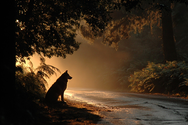
- Cooler temperatures lower the risk of overheating and paw burns
- Can be a good chance for socialisation with other dogs and people
- Offer a calm way to wind down at the end of the day
☀️ What About Midday or Bad Weather?
If the pavement feels too hot for your hand for five seconds, it is too hot for your dog’s paws. On warm days, walk early in the morning or later in the evening and choose grass paths instead of pavements where possible.
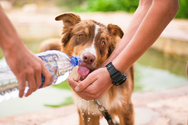
- Midday walks should be shorter and kept to shaded areas during warm weather
- Extra caution is needed for older dogs and flat faced breeds
- Always check the weather before setting out
- Skip walks during thunderstorms or extreme conditions if safety is a concern
⏱️ How Long Should You Walk Your Dog?
Most dogs need somewhere between 30 minutes and 2 hours of exercise per day, depending on their breed, age, energy level and overall health.
- Puppies usually need shorter but more frequent walks
- Higher energy and working breeds often need longer exercise
- Older dogs may prefer shorter and gentler outings
- If you are unsure, start shorter and build up gradually
If your dog has health issues or you are not sure what is appropriate, speak to your vet for tailored advice.
🐾 Example Exercise Needs by Breed
These are general examples only. Always adjust exercise to suit your individual dog’s age, health, fitness and temperament.
| Breed | Example Daily Exercise |
|---|---|
| Chihuahua | Around 30 min |
| Pug | Around 30 to 60 min |
| Collie | Around 60 to 120 min |
| Labadore | Around 20 to 40 min |
| German Shepherd | Around 60 to 90 min |
| Boxer | Around 45 to 60 min |
| Newfoundland | Around 30 to 60 min |
Breed guides are a starting point, not a rule. The dog in front of you matters more than the breed chart.
❤️ Why Walking Is So Important
Walking benefits both dogs and humans.
For Your Dog
- Helps keep muscles and joints healthy
- Provides mental stimulation
- Reduces boredom and unwanted behaviours
- Encourages confidence and social skills
For You
- Supports fitness and general health
- Can help reduce stress
- Strengthens the bond between you and your dog
✅ Final Takeaway
Walking is one of the simplest and most effective ways to keep your dog healthy, calm and content. Aim for cooler times of day, adjust walk length to suit your dog, and always put safety first.
Walk often, walk smart, and enjoy the time together.
If you ever need help keeping your dog active, our dog walking service in Andover can help keep your dog exercised, enriched and happy.
❓ Dog Walking FAQ
How often should I walk my dog?
Most dogs benefit from at least one walk every day, although higher energy breeds may need two or more.
Is one long walk better than two short walks?
For many dogs, two shorter walks provide better routine, mental stimulation and flexibility through the day.
Should I still walk my dog in hot weather?
Only at safer times such as early morning or later evening, and always avoid hot pavements, extreme heat and overexertion.