Are yearly dog boosters really needed, and where does titre testing fit?
Many owners hear “annual vaccinations” and assume every vaccine is being repeated every year. In reality, that is not usually how it works.
The big reason for yearly boosters in the UK is usually leptospirosis, because protection is shorter lived. Core viral vaccines such as parvovirus, distemper and hepatitis usually last much longer, which is why titre testing is part of the conversation for some dogs.

Vaccines protect against serious disease
Vaccines help the immune system recognise dangerous infections quickly, lowering the risk of severe illness and helping reduce spread between dogs.
This matters most for diseases such as parvovirus, distemper, infectious hepatitis and leptospirosis.
Not all vaccine protection lasts the same length of time
Some vaccines give longer lasting protection than others. That is why vaccine schedules are not all identical.
In the UK, leptospirosis is the one that most commonly needs an annual booster.
Titre tests can show existing immunity for some diseases
If a dog still has protective antibodies to certain core viral diseases, a repeat booster may not be needed at that time.
But titre testing does not replace every vaccine.
Why dogs are still vaccinated every year
- Leptospirosis protection does not last as long, so annual boosting is commonly recommended.
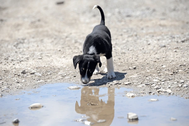
- Leptospirosis is relevant in the UK because dogs can pick it up from environments contaminated by infected wildlife, including water and wet ground.
- If a leptospirosis booster is missed and the vaccine becomes overdue, many practices may treat protection as lapsed and restart the course.
- Annual boosters may also be needed for kennel cough depending on boarding, daycare or exposure risk.
- Yearly appointments also give owners a regular health check, weight check and chance to review risks.
Why some owners prefer a more tailored approach
- Immunity to parvovirus, distemper and hepatitis often lasts longer than a year.
- Titre testing can help show whether a dog still has protective antibodies to those core viral diseases.
- This may appeal to owners of older dogs, dogs with previous vaccine reactions, or dogs with more complex health histories.
- It can support a more individual plan rather than assuming every core booster is needed immediately.
- It is usually best used as part of a vet led decision, not a blanket rule.

What titre testing can and cannot replace
This is the part most owners want made simple.
| Disease / vaccine | Can titre testing help? | What owners need to know |
|---|---|---|
| Parvovirus | Yes | A positive titre can show existing protection and may help guide whether a booster is needed. |
| Distemper | Yes | Often included in core viral titre testing. |
| Infectious hepatitis | Yes | Usually part of the core viral group checked alongside parvo and distemper. |
| Leptospirosis | No | Titre testing is not considered a reliable replacement, which is why annual vaccination remains important. |
| Kennel cough | No | This is based more on exposure risk, boarding and lifestyle than titre testing. |
| Rabies | No | For travel, valid vaccination proof is still required. A titre result does not replace the legal vaccine record. |
Know what “annual” really means
For many dogs, the annual part is mainly leptospirosis, not every vaccine in the schedule.
Know what titres are for
Titre tests are most useful for the core viral diseases where immunity often lasts longer.
Know your real choice
The choice is rarely “vaccines or titre tests”. It is usually about using each in the right place.
A balanced approach many owners understand
- Keep annual leptospirosis protection up to date.
- Use normal booster schedules or discuss titre guided decisions for parvo, distemper and hepatitis.
- Add kennel cough if your dog boards, mixes heavily or uses shared dog facilities.
- Keep rabies current if travel is planned.
What this really comes down to
Titre testing is useful, but it is not a full replacement for vaccination.
It helps most with the core viral vaccines. It does not replace leptospirosis vaccination, and it does not remove legal rabies requirements for travel.
The goal is not to “take sides”. It is to keep dogs protected in a way that is sensible, informed and appropriate for their lifestyle.